
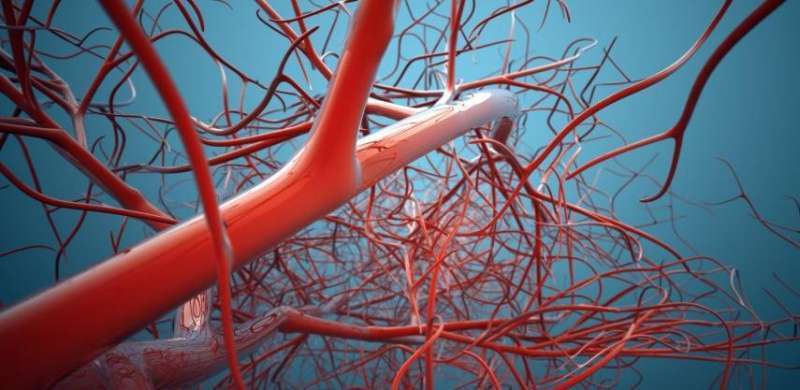
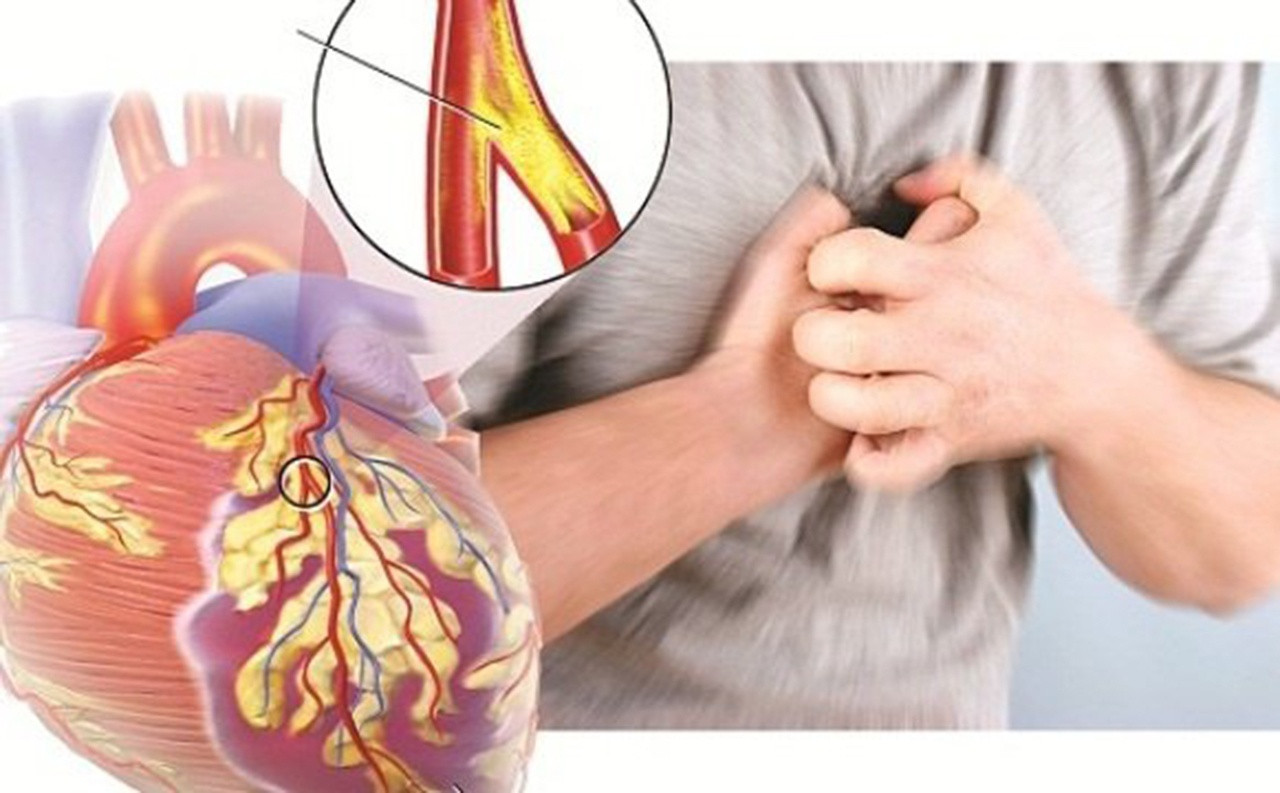
Coronary artery disease is a condition in which the heart’s coronary arteries are blocked, leading to a lack of oxygen in the heart muscle. Among cardiovascular diseases, this is the leading cause of death and is on the rise and rejuvenates.
Reason
Due to progression, instability, causing rupture of atherosclerotic plaques in the coronary arteries.
Danger
Risk factors that cannot be changed
– Age (men over 50 years old and women over 55 years old).
– Gender: Men and postmenopausal women are at higher risk.
– Family history of cardiovascular events.
- Race.
Modifiable risk factors
– Sedentary, sedentary lifestyle.
– Smoking.
– Increased blood cholesterol.
– Overweight, obesity.
– Increased blood pressure.
– Diabetes and insulin resistance.
– Drink alcohol.
– Prolonged stress.

Symptom
– Chest pain: Pain in the left chest area or behind the sternum, pain spreading to the shoulder, arm, back or jaw.
– Chest tightness, discomfort, chest heaviness, suffocation, burning, chest pressure…
– Chest discomfort accompanied by pain in one or both arms, shoulders, neck, jaw or upper part of the stomach.
– Difficulty breathing, with or without chest pain.
– Nausea or vomiting, dizziness or cold sweat, palpitations, chest discomfort.
Complications
– Angina: includes stable angina and unstable angina. In particular, unstable angina requires hospitalization and adequate treatment.
– Myocardial infarction.
– Heart failure.
– Heart arrhythmia.
Diagnose
– Electrocardiogram.
– Measure exercise electrocardiogram.
– Echocardiography.
– Cardiac enzyme test.
– Multi-detector row computed tomography of the coronary arteries.
– Cardiac magnetic resonance imaging.
– Percutaneous coronary angiography.
Treatment
Internal medical treatment
Indications: For cases of stable chest pain, or asymptomatic coronary stenosis less than 70%, with no indication for intervention or surgery.
Medical treatment mainly includes:
– Statin group of drugs stabilizes atherosclerotic plaques and reduces blood cholesterol.
– Medicines to control blood pressure.
– Antiplatelet drug group: Aspirin, Clopidogrel
– Medicines to control diabetes.
– Angina relievers and coronary vasodilators: nitrates, trimezitan….
Surgical treatment:
– Coronary artery stent intervention: The doctor will use a small balloon to expand the narrowed artery, then place a self-expanding bracket to help blood vessels circulate well. Patients can be discharged early, and maintained on dual antiplatelet medication thereafter.
– Aortic-coronary bypass surgery: The patient undergoes thoracotomy, using the body’s own blood vessels to make the bridge such as the internal thoracic artery, radial artery, and saphenous vein. The purpose is for blood to circulate around the clogged site and supply blood to the part of the heart muscle that is not receiving blood. The patient must stay in the hospital for 5-7 days, and take an antiplatelet drug after surgery.
Disease prevention
– Treat and control diseases well: Hypertension, diabetes, lipid metabolism disorders.
– Quit smoking and avoid passive tobacco smoke
– Minimize alcohol and beer.
– Stay away from fast food, fried foods, lots of salt and lots of sugar.
– Eat more fiber, vegetables, grains, nuts, beans, and fruits.
– Control weight, maintain standard BMI.
– Exercise: Exercises suitable for coronary artery disease.
– Build a positive thinking lifestyle to limit stress.
– Regular health check-ups to promptly detect abnormalities in the heart as well as potential causes of coronary heart disease.